


Home Office Deduction Calculator
Compare the simplified and regular methods to find which saves you more.
Only self-employed individuals can claim the home office deduction. The space must be used regularly and exclusively for business.
Simplified Method
$5/sqft · max 300 sqft
Regular Method
Actual expenses × business %
Enter your home office size to see results.
Track Your Home Office Expenses Automatically
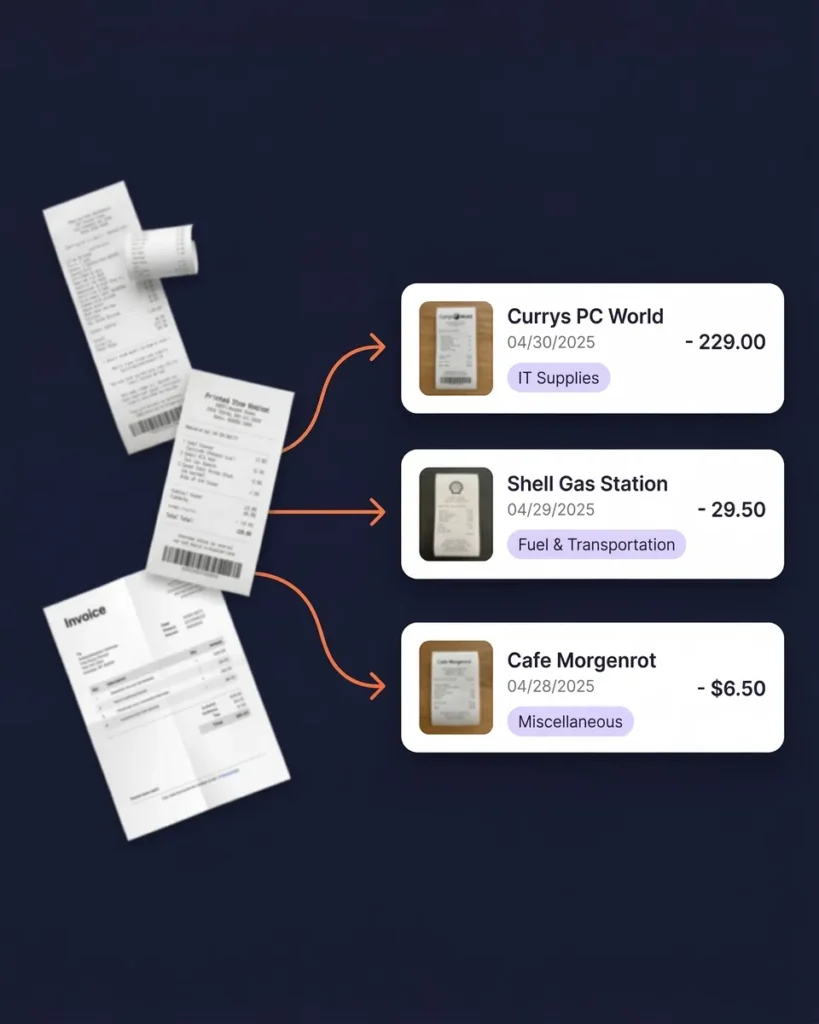
Using the regular method? You need receipts for every home expense you deduct. SparkReceipt’s AI scans utility bills, insurance statements, and repair invoices — and categorizes them as home office expenses automatically.
Start tracking expensesHow the Home Office Deduction Works
Simplified method vs. actual expense method
The home office deduction lets self-employed individuals deduct expenses for the portion of their home used regularly and exclusively for business. This applies whether you own or rent, and covers a house, apartment, condo, or even a mobile home.
There are two methods to calculate your deduction:
- Simplified Method — Deduct $5 per square foot of your home office, up to 300 square feet. Maximum deduction: $1,500/year. No need to track individual home expenses.
- Regular (Actual Expense) Method — Calculate the business-use percentage of your home (office square footage ÷ total home square footage), then apply that percentage to your actual home expenses: mortgage interest or rent, utilities, insurance, repairs, depreciation, and more.
The regular method typically yields a larger deduction if your home office is more than 300 sq ft or your housing costs are high. The simplified method saves time but caps your deduction at $1,500.
Important: W-2 employees cannot claim the home office deduction, even if they work from home. This deduction is exclusively for self-employed individuals, independent contractors, and business owners who file Schedule C.

Qualifying for the Home Office Deduction
Two IRS tests you must meet
Your home office must meet two IRS tests to qualify:
- Regular Use — You use the space for business on a consistent, ongoing basis — not just occasionally.
- Exclusive Use — The space is used only for business. A desk in your bedroom doesn’t qualify if you also use that area for personal activities. A dedicated room or partitioned space does.
There are two exceptions to the exclusive use rule:
- Daycare facilities — If you run a licensed daycare from your home, the space doesn’t need to be exclusively for business.
- Storage of inventory — If you store product inventory or samples at home for your business, and your home is the only fixed location for the business.
Bonus benefit: Having a qualifying home office makes your mileage deduction more valuable. When your home is your principal place of business, every trip from home to a business destination becomes deductible — eliminating the “commute” exclusion that would otherwise apply.
What Expenses Can You Deduct?
Direct and indirect home office expenses
With the regular (actual expense) method, these home costs are partially deductible based on your business-use percentage:
Direct expenses (100% deductible — only benefit your office):
- Painting or repairs to your office room
- Dedicated office furniture and equipment
Indirect expenses (deductible at your business-use percentage):
- Rent or mortgage interest
- Property taxes
- Homeowner’s or renter’s insurance
- Utilities (electricity, gas, water, internet)
- Home repairs and maintenance
- Depreciation (if you own)
- Security system
- HOA fees
For example, if your home office is 200 sq ft in a 2,000 sq ft home (10% business use) and your annual housing costs total $24,000, your deduction would be $2,400 — significantly more than the simplified method’s $1,000 (200 × $5).
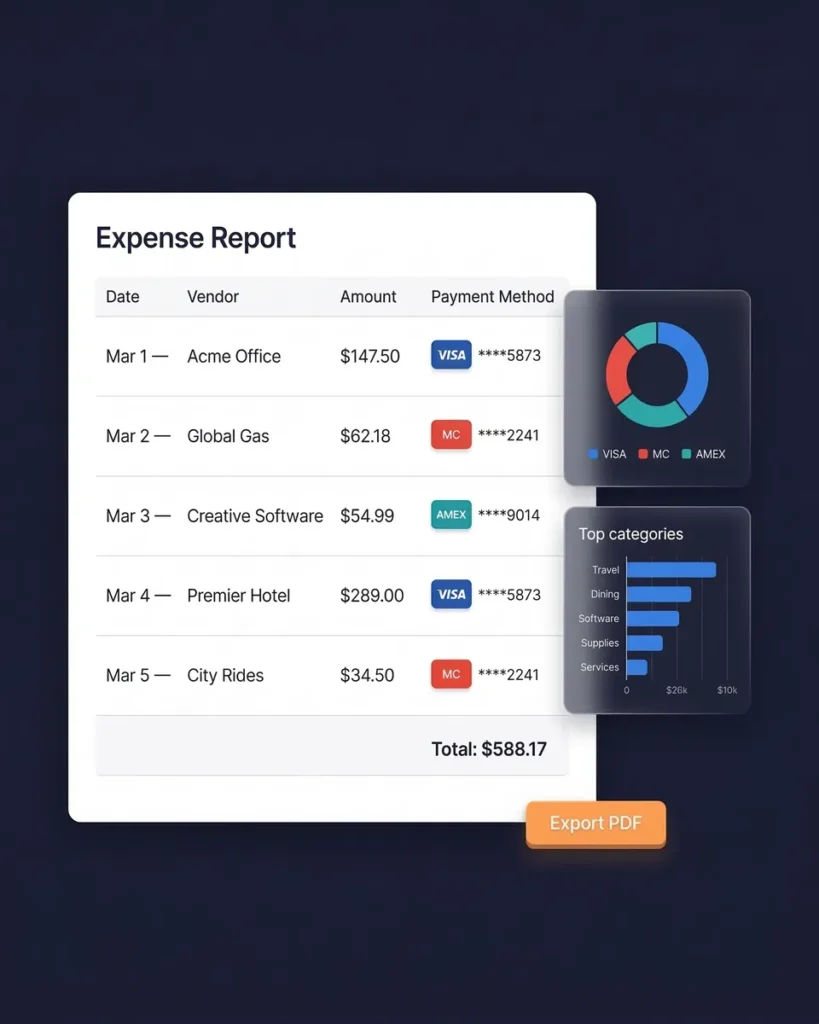
Track these expenses automatically with SparkReceipt — snap photos of utility bills, insurance statements, and repair receipts, and they’re categorized and stored for tax time.
Home Office Deduction FAQ
Can I take the home office deduction if I work from home as a W-2 employee?
No. The Tax Cuts and Jobs Act eliminated the home office deduction for W-2 employees from 2018 through 2025, and the OBBBA extended this permanently. Only self-employed individuals, independent contractors, freelancers, and business owners can claim this deduction.
Which is better: simplified or regular method?
The regular (actual expense) method usually gives a larger deduction if your office is over 300 square feet or your housing costs are high. The simplified method ($5/sq ft, max $1,500) is easier — no expense tracking needed. Use this calculator to compare both methods with your actual numbers.
Does a home office deduction trigger an audit?
The home office deduction does not automatically trigger an audit. The IRS has stated this is a common misconception. As long as you legitimately qualify (regular and exclusive use) and keep proper records, claiming this deduction is perfectly safe. Millions of self-employed taxpayers claim it every year.
Can I deduct my internet bill for my home office?
Yes, you can deduct the business-use percentage of your internet bill using the regular method. If your business-use percentage is 15%, you can deduct 15% of your annual internet costs. With the simplified method, internet costs are not separately deductible — they’re included in the $5/sq ft rate.
What if I rent? Can I still take the home office deduction?
Absolutely. Renters can deduct the business-use percentage of their rent, renter’s insurance, utilities, and other qualifying expenses. You don’t need to own your home to claim this deduction.
Does the home office deduction reduce self-employment tax?
Yes. The home office deduction is taken on Schedule C, which reduces your net self-employment income. This lowers both your income tax and your self-employment tax (15.3%). A $2,400 home office deduction saves you approximately $367 in SE tax alone.